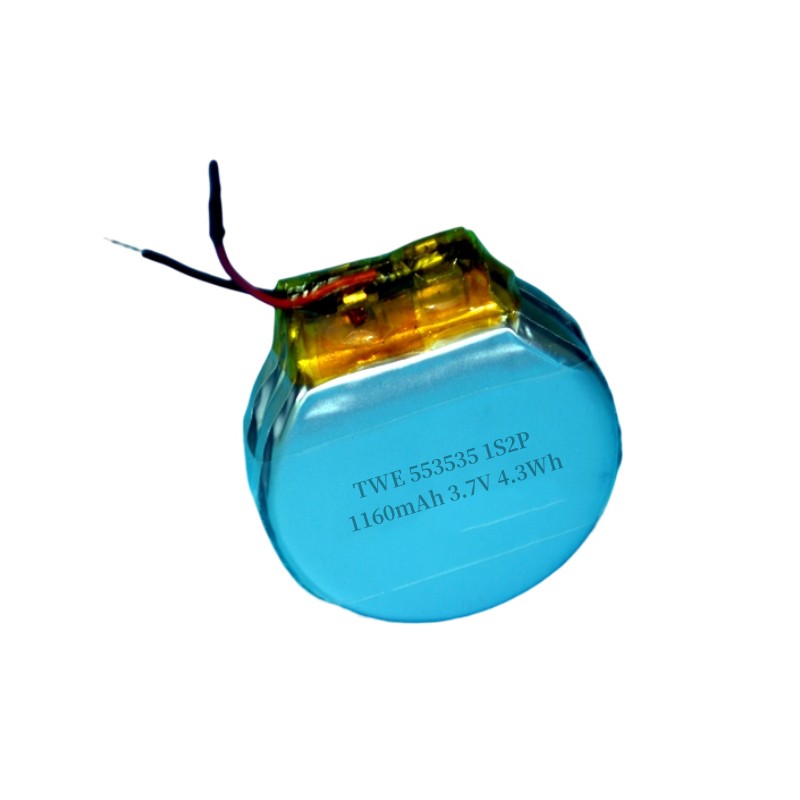
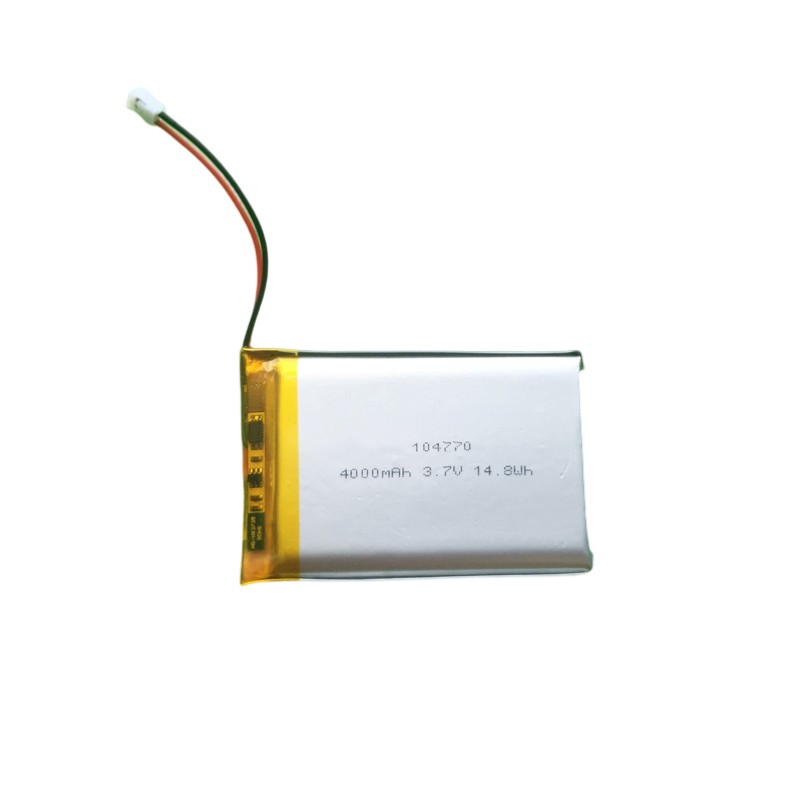
As one of the most widely used types of rechargeable batteries, lithium polymer batteries have been gaining popularity due to their numerous advantages over other types of batteries. Here, we will discuss the benefits of using lithium polymer batteries and the different scenarios where they are most commonly used.
Firstly, the main advantage of lithium polymer batteries is their high energy density. Compared to other battery types, the lithium polymer battery can store more energy in a smaller and lighter package. This makes them ideal for use in portable devices, such as smartphones, tablets, and laptops, where small size and weight are essential.
Additionally, lithium polymer batteries have a longer life span than other battery types, making them more cost-effective in the long run. They also have a lower self-discharge rate, which means they can retain their charge for an extended period, making them an ideal choice for backup power supplies and uninterruptible power sources.
Another significant benefit of lithium polymer batteries is their ability to discharge at high rates, making them ideal for use in high-performance applications such as electric vehicles and drones.
In terms of use cases, lithium polymer batteries are often found in portable electronic devices, where their lightweight and compact form factor are essential. They are also commonly used in the medical field, powering hearing aids, pacemakers, and other wearable devices.
Furthermore, lithium polymer batteries are increasingly being used in renewable energy applications, such as solar-powered generators and off-grid power systems. Due to their ability to store large amounts of energy in a small space, lithium polymer batteries make an ideal energy storage solution for these applications.
In conclusion, the advantages of lithium polymer batteries make them a popular choice for many industries. From portable electronic devices to renewable energy applications, lithium polymer batteries offer a cost-effective and reliable power solution for a range of different scenarios.