Rechargeable Battery Innovations Revolutionize Energy Storage and Power Solutions
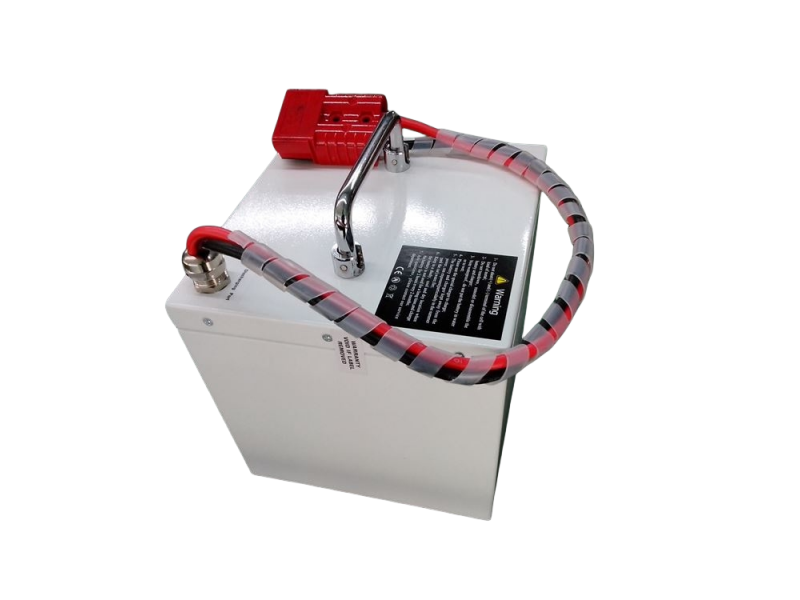
In recent years, the rapid evolution of lithium-ion battery technology has become a driving force behind the surge in electric vehicle (EV) adoption and other energy storage applications. The development of these advanced rechargeable batteries has revolutionized the way we think about power solutions, paving the way for a cleaner and more sustainable future. Here, we delve into the latest breakthroughs and trends in lithium-ion batteries, exploring how they are shaping industries and transforming the way we live.
Lithium-ion batteries, often referred to as Li-ion batteries, have emerged as the go-to choice for numerous applications, from portable electronic devices to grid-scale energy storage systems. Their high energy density, long cycle life, and lightweight nature make them ideal for powering electric vehicles, enabling extended driving ranges and reducing greenhouse gas emissions. As the EV market continues to gain momentum, major automakers are investing heavily in lithium-ion battery research and development. This has led to significant advancements in battery chemistry, resulting in improved performance, faster charging times, and increased energy capacity.
The ongoing pursuit of enhanced battery technology has led to breakthroughs in energy storage and management. Battery management systems (BMS) have become integral components, ensuring optimal performance, safety, and efficiency. These systems monitor and regulate the battery's voltage, current, and temperature, maximizing its lifespan and safeguarding against potential hazards. With the growing demand for reliable and safe energy storage solutions, BMS technology has become a critical aspect of lithium-ion battery development.
The expanding use of lithium-ion batteries extends beyond the electric vehicle sector. With the rise of renewable energy sources, such as solar and wind power, there is an increasing need for efficient energy storage systems. Lithium-ion batteries have emerged as the go-to solution for storing excess energy generated by these renewable sources. This stored energy can be utilized during periods of high demand or when the renewable sources are not actively generating power, enabling a more stable and balanced grid.
Moreover, the focus on sustainable practices has led to advancements in battery recycling. As the number of lithium-ion batteries being used and discarded grows, recycling initiatives have gained prominence. The recycling process extracts valuable materials, such as lithium, cobalt, and nickel, from used batteries, reducing the need for raw materials and minimizing environmental impact. Battery manufacturers are investing in efficient recycling technologies to ensure a closed-loop system, creating a sustainable and circular economy.
In conclusion, the remarkable progress in lithium-ion battery technology is propelling the electric vehicle industry forward and revolutionizing
energy storage solutions. The combination of high energy density, extended cycle life, and rapid charging capabilities has made lithium-ion batteries the preferred choice for a wide range of applications. As research and development efforts continue, we can expect further advancements, including increased energy capacity, enhanced safety features, and reduced costs. With the world transitioning towards a cleaner and more sustainable future, lithium-ion batteries are at the forefront of the energy revolution, powering the way towards a greener tomorrow.